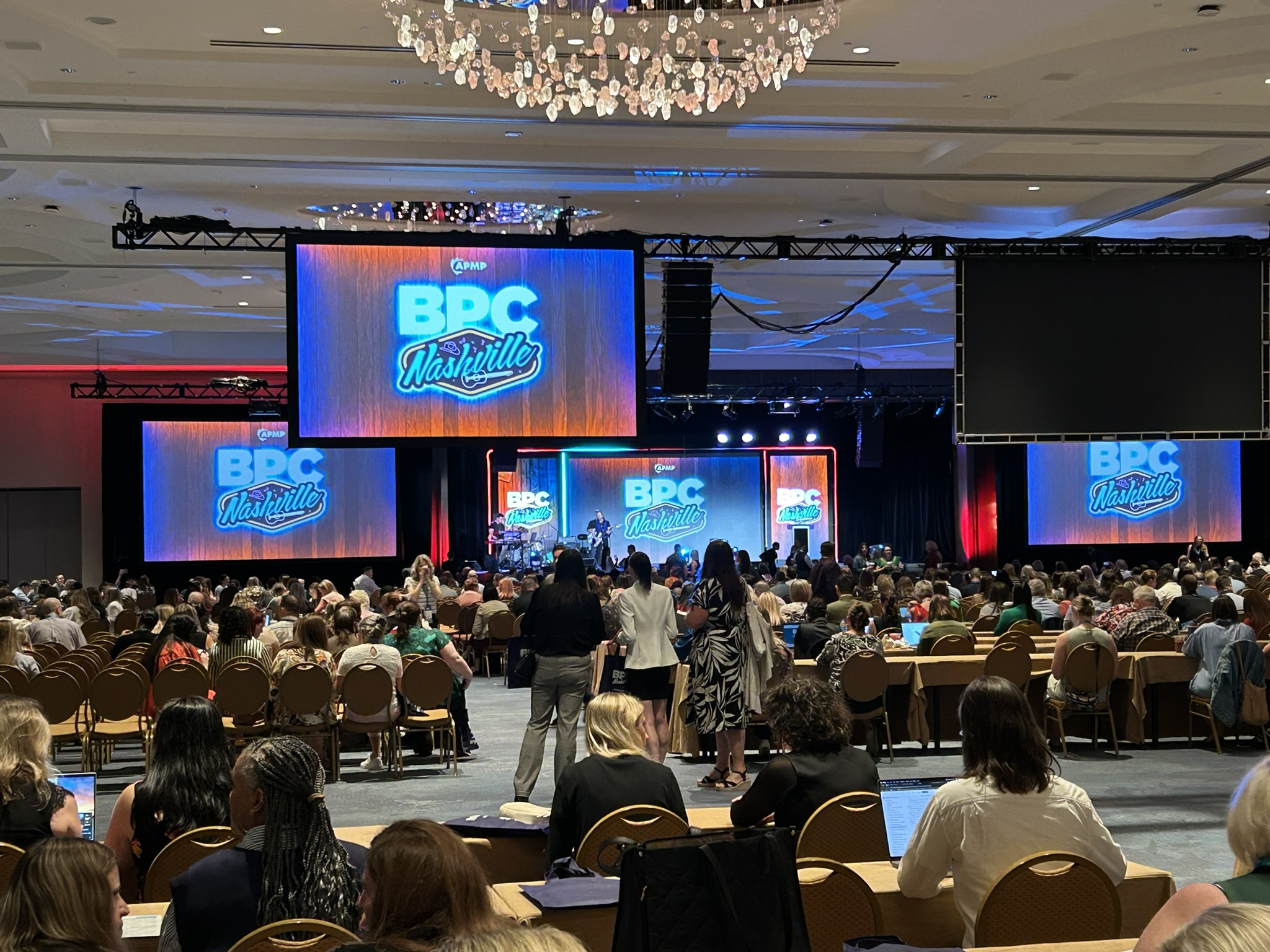
 In May, I attended both the VETS25 conference in Orlando and Bid and Proposal Con (aimed at proposal professionals) in Nashville. Talking with others focused on the Federal Government contracting space, it is clear the changes brought about by the new administration has caused deep concern for Government contractors and those who work for and support them.
Winning a Federal contract is significantly more challenging than it was even last year – there are fewer opportunities and tougher competition, especially in light of the upcoming revisions and simplification of the Federal Acquisition Regulation. In addition, the strained economic environment is causing firms to downsize their internal resources. So how do companies stay ahead? In this post, I will outline the ways in which Federal government contractors can still invest in their growth through outsourcing proposal efforts, especially on critical efforts.
Access to Specialized Expertise
With potential FAR simplifications and fewer opportunities available, competition among contractors is fiercer than ever. A well-crafted proposal can be the difference between winning and losing a contract. Federal proposals require a deep understanding of compliance, strategy, and persuasive writing. Outsourcing allows firms to tap into seasoned professionals who specialize in crafting winning proposals. External proposal consultants also bring a wealth of knowledge from working across multiple industries and agencies. Many, including those we leverage at BZ, are highly knowledgeable in best practices as defined by APMP, the standard bearer for bid and proposal professionals. Good proposal consultants understand what works and what doesn’t, allowing firms to benefit from proven strategies honed over long careers. This expertise ensures proposals are compliant, compelling, and persuasive.
Proposal consultants also provide access to specialized skills and knowledge that it is cost prohibitive for even large organizations to keep on staff. For example, Government agencies are increasingly including in-person and virtual oral presentations, technical demonstrations, and the like in their procurements. However, it is impractical for almost all firms to keep full-time, in-house oral presentation coaches around to guide presenters through the process. Having a go-to external organization to support these efforts puts you on the path to success.
Scalability and Flexibility
The unpredictable nature of Federal contracting means proposal workloads fluctuate. Some months may require multiple submissions, while others may be relatively quiet. Outsourcing provides the flexibility to scale efforts up or down based on demand. Firms can engage external support only when needed and only for the support needed. This approach optimizes resources, reduces overhead costs, and enables your proposals to receive the attention they deserve without straining internal teams.
Even for those with internal resources, leveraging outside resources for surge or backfill purposes is an effective strategy. Proposal development is a high-pressure task that demands long hours and meticulous attention to detail. Internal teams, especially those that have been downsized, may struggle with workload management, leading to burnout and decreased productivity. Outsourcing alleviates this burden, allowing internal staff to focus on other critical business functions while ensuring proposals receive the dedicated effort they require and deserve.
Cost Efficiency Without Compromising Quality
One of the biggest concerns for firms considering outsourcing is cost. However, when compared to the expenses associated with maintaining an in-house team—including salaries, benefits, training, and software—outsourcing often proves to be the more economical choice. Firms can allocate their budgets more strategically, investing in high-quality proposal support only when needed. By leveraging external specialists, companies can ensure their proposals remain competitive and develop high-quality proposals without the burden of full-time salaries and training costs. According to SIA Partners, outsourcing proposal development results in savings ranging from 10% to 25% and can reduce direct labor costs by up to 70%.
Conclusion: A Strategic Move for Long-Term Success
 Outsourcing proposal efforts is not just a temporary fix—it’s a strategic decision that positions Federal contractors for long-term success. By leveraging specialized expertise, maintaining scalability, and enhancing competitiveness, firms can navigate the challenges of today’s changing Federal contracting landscape with confidence. In an era where every proposal counts, outsourcing provides key resources to securing more wins and sustaining growth.

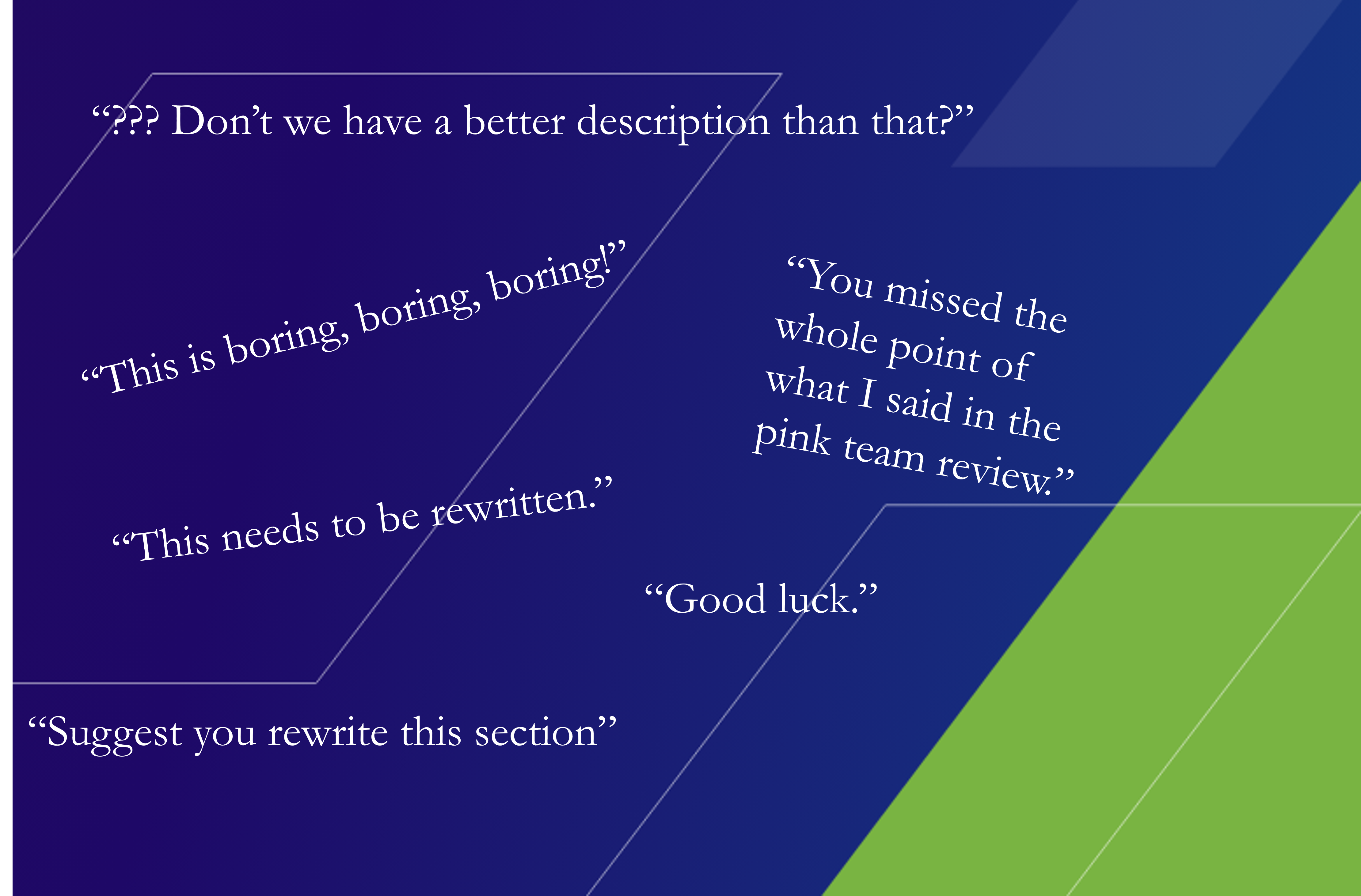
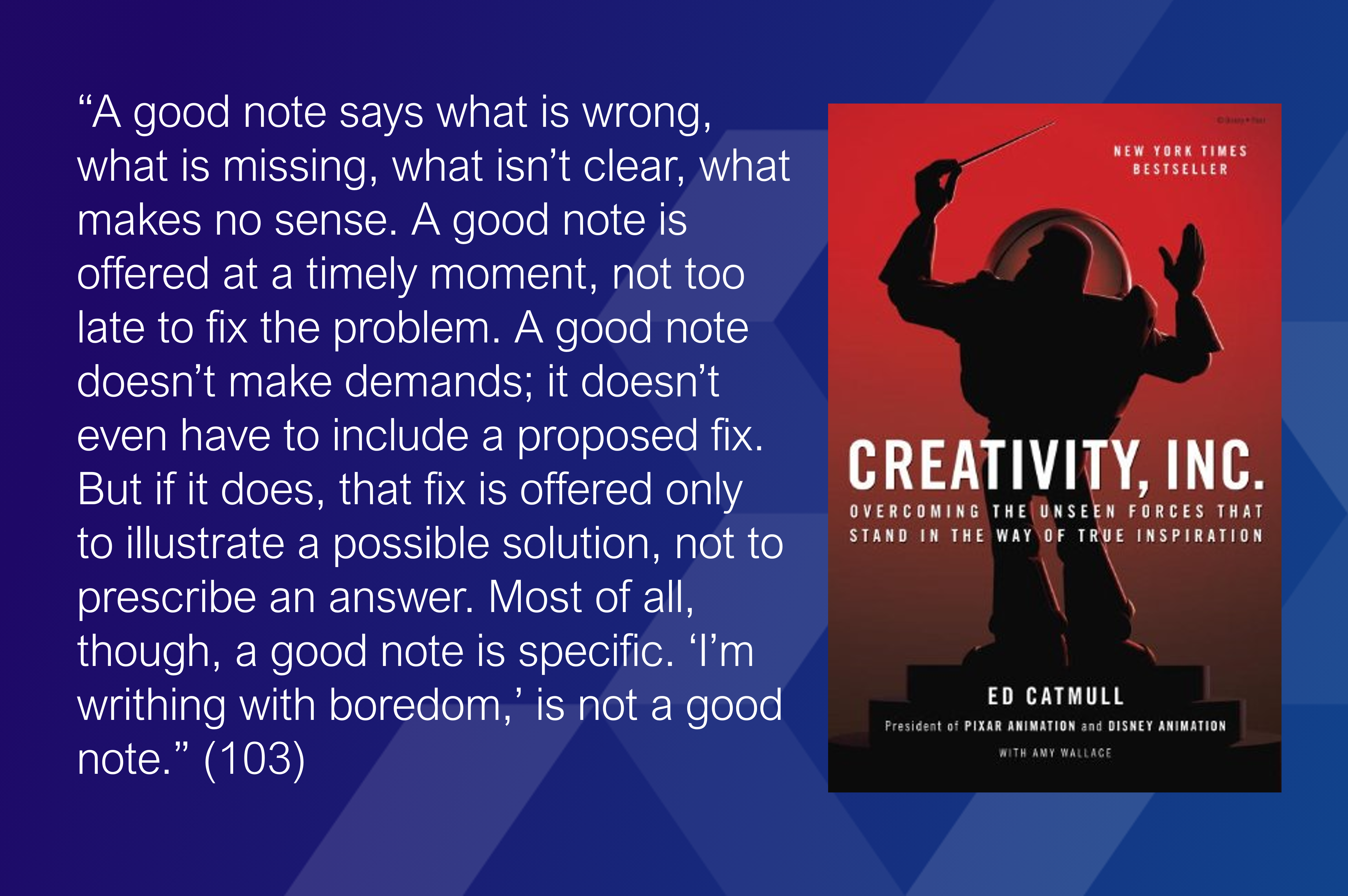







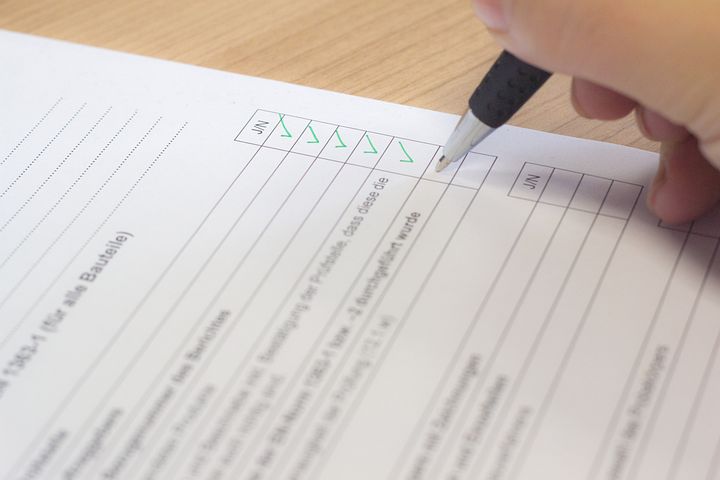
 In my previous post, I walked through three key lessons learned from my time as an editor for proposals. Based on this experience, I have developed a general checklist that defines the key needs and areas that need to be defined before handing off your proposal to your editor.
  Is any area of your proposal too vague? Is any section of the proposal too generic? Instead of saying, “[we] or [X company] will manage the research and development of a product,” does your proposal identify a specific person, wherever practicable, who will perform the tasks (e.g., Program Manager)? Did you cross check the proposal for contradictory information? A common error is for one area of the proposal (e.g., technical approach) to say, for example, that the Program Manager will oversee personnel, and another area (e.g., the staffing section) to indicate that the Project Director will perform that role.
 Congratulations! You’ve taken the first step on the road to becoming a consultant. By choosing to read this blog series, you have decided to explore the opportunities available to you in consulting. Throughout this series, I will be addressing the key questions you need to ask yourself prior to making the leap. I’ll start at the beginning with a fundamental question:
 How strong is your network?
 evaluate whether the proposal “answers the mail.” You need the bench strength to gauge how well your company tells its story and puts its best foot forward. The combined expertise is critical to producing major, complex proposals where the competition is cut-throat. Given that proposals have a million moving parts, an experienced proposal manager is also vital to orchestrating all of the steps and problem solving when inevitable curveballs are thrown in the path. Your writers, editors, graphic designers, and production team play important roles in developing the content and creating the polished product. A great proposal team really is greater than the sum of its parts.
 At a bare minimum, your editor can really use comprehensive notes from these meetings. And the more they can see of actual drafts, the more they will be prepared when the real thing comes along.

 This series of posts looks to provide people interested in consulting with some insight on what questions, issues, and opportunities are out there today. While consulting has worked well for me and many others, it is not for everyone. There is risk inherent in going out on your own. Therefore, even with the information laid out in these posts, I encourage you to take time and make sure you consider all the options, positives, negatives, and risks associated with consulting before making your own decision.
 Game Changers for Government Contractors: Insider Tips and Advice from the Industry’s Top Experts
  Persuasive Business Proposals: Writing to Win More Customers, Clients, and Contracts