Blog
Jun 25, 2025
Using External Resources to Compete in Today’s Market
by Kevin A. Switaj

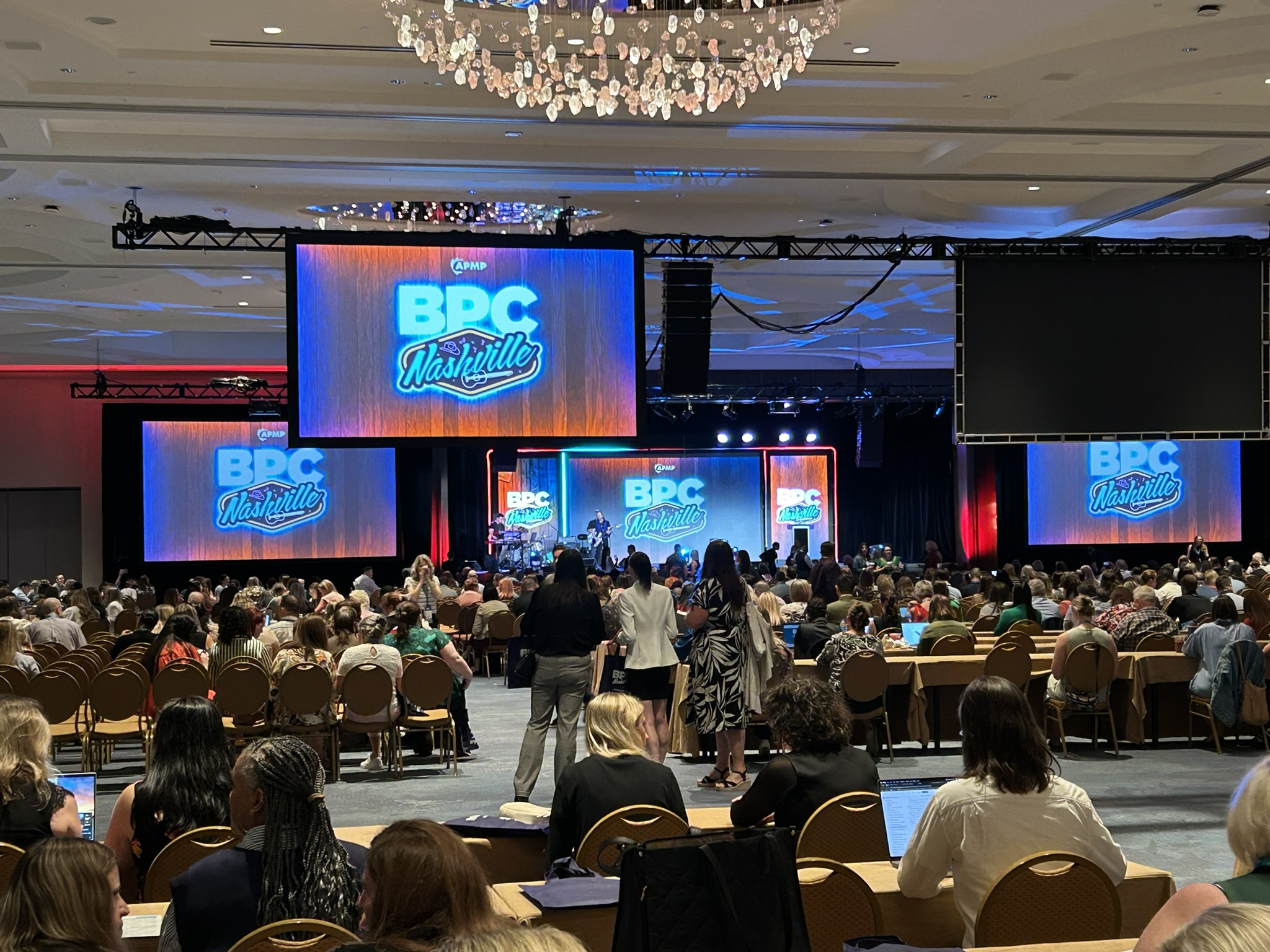
 In May, I attended both the VETS25 conference in Orlando and Bid and Proposal Con (aimed at proposal professionals) in Nashville. Talking with others focused on the Federal Government contracting space, it is clear the changes brought about by the new administration has caused deep concern for Government contractors and those who work for and support them.
Winning a Federal contract is significantly more challenging than it was even last year – there are fewer opportunities and tougher competition, especially in light of the upcoming revisions and simplification of the Federal Acquisition Regulation. In addition, the strained economic environment is causing firms to downsize their internal resources. So how do companies stay ahead? In this post, I will outline the ways in which Federal government contractors can still invest in their growth through outsourcing proposal efforts, especially on critical efforts.
With potential FAR simplifications and fewer opportunities available, competition among contractors is fiercer than ever. A well-crafted proposal can be the difference between winning and losing a contract. Federal proposals require a deep understanding of compliance, strategy, and persuasive writing. Outsourcing allows firms to tap into seasoned professionals who specialize in crafting winning proposals. External proposal consultants also bring a wealth of knowledge from working across multiple industries and agencies. Many, including those we leverage at BZ, are highly knowledgeable in best practices as defined by APMP, the standard bearer for bid and proposal professionals. Good proposal consultants understand what works and what doesn’t, allowing firms to benefit from proven strategies honed over long careers. This expertise ensures proposals are compliant, compelling, and persuasive.
Proposal consultants also provide access to specialized skills and knowledge that it is cost prohibitive for even large organizations to keep on staff. For example, Government agencies are increasingly including in-person and virtual oral presentations, technical demonstrations, and the like in their procurements. However, it is impractical for almost all firms to keep full-time, in-house oral presentation coaches around to guide presenters through the process. Having a go-to external organization to support these efforts puts you on the path to success.
The unpredictable nature of Federal contracting means proposal workloads fluctuate. Some months may require multiple submissions, while others may be relatively quiet. Outsourcing provides the flexibility to scale efforts up or down based on demand. Firms can engage external support only when needed and only for the support needed. This approach optimizes resources, reduces overhead costs, and enables your proposals to receive the attention they deserve without straining internal teams.
Even for those with internal resources, leveraging outside resources for surge or backfill purposes is an effective strategy. Proposal development is a high-pressure task that demands long hours and meticulous attention to detail. Internal teams, especially those that have been downsized, may struggle with workload management, leading to burnout and decreased productivity. Outsourcing alleviates this burden, allowing internal staff to focus on other critical business functions while ensuring proposals receive the dedicated effort they require and deserve.
One of the biggest concerns for firms considering outsourcing is cost. However, when compared to the expenses associated with maintaining an in-house team—including salaries, benefits, training, and software—outsourcing often proves to be the more economical choice. Firms can allocate their budgets more strategically, investing in high-quality proposal support only when needed. By leveraging external specialists, companies can ensure their proposals remain competitive and develop high-quality proposals without the burden of full-time salaries and training costs. According to SIA Partners, outsourcing proposal development results in savings ranging from 10% to 25% and can reduce direct labor costs by up to 70%.
 Outsourcing proposal efforts is not just a temporary fix—it’s a strategic decision that positions Federal contractors for long-term success. By leveraging specialized expertise, maintaining scalability, and enhancing competitiveness, firms can navigate the challenges of today’s changing Federal contracting landscape with confidence. In an era where every proposal counts, outsourcing provides key resources to securing more wins and sustaining growth.